How a Daily Walk Became the Most Reliable Thing I Do for My Head
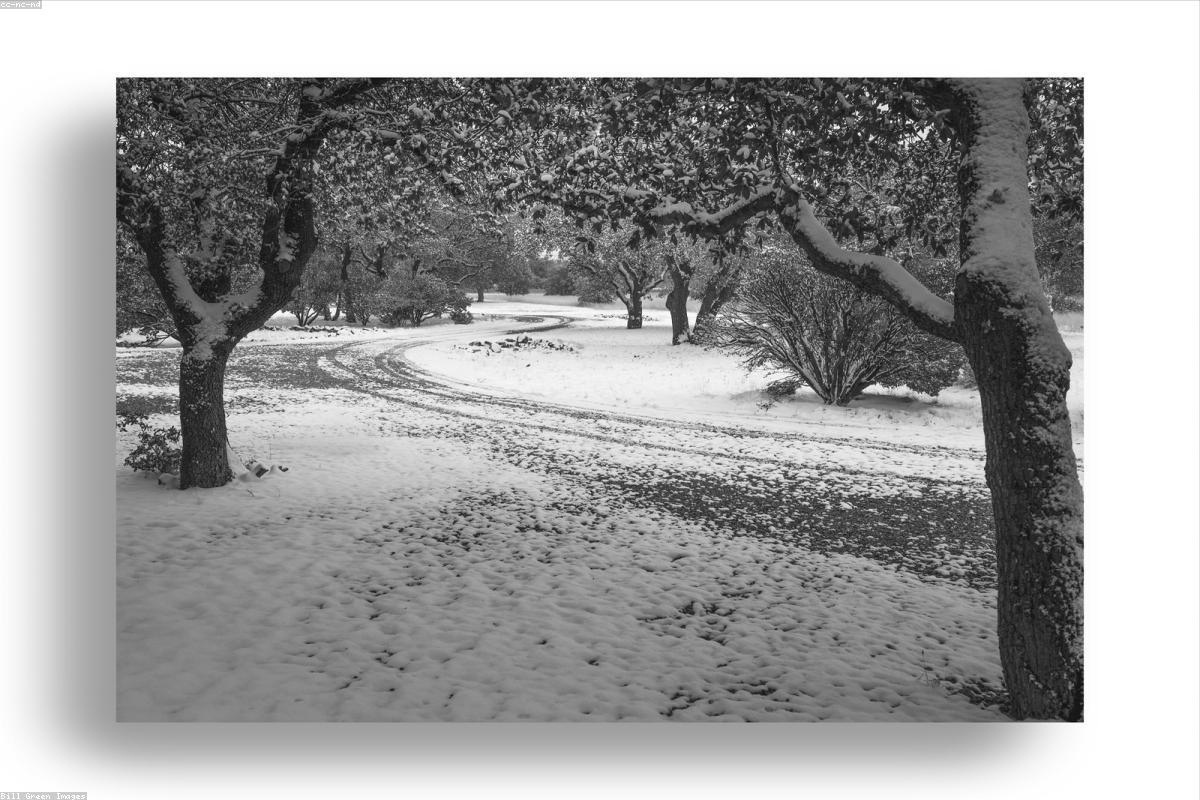
I resisted walking as exercise for years because it seemed too mild to count. In my head, effort had to hurt to matter, and a walk was what you did when you were too lazy for a real workout. I chased more intense things instead, joined gyms I stopped attending, downloaded running plans I abandoned by week three. It was only after a stubborn stretch of feeling foggy, restless, and vaguely unwell that I started walking every day, mostly because it was the one form of movement I couldn’t find an excuse to skip. That reluctant, unimpressive habit has since become the single most dependable thing I do for my mental state, and I’ve spent a while trying to understand why something so easy works so well.
The lowest possible barrier is the whole point
Every ambitious fitness plan I’d ever tried failed at the same place: the gap between deciding to do it and actually starting. Running required the right weather, the right clothes, a warm-up, and a level of willpower I didn’t reliably have on a tired Tuesday. A walk required none of that. I could do it in whatever I was wearing, straight out the front door, with no equipment and no preparation. The barrier was so low that “I don’t feel like it” stopped being a valid excuse, because feeling like it was never a requirement.
This turned out to be the entire secret. A modest habit you actually perform every day beats an ambitious one you perform twice and abandon. Consistency compounds in a way that intensity doesn’t. The walk I take on a low, unmotivated day is worth more than the perfect workout I keep postponing until conditions are ideal, because conditions are almost never ideal, and the postponing is the real disease.
Something happens to thinking when the body moves
The effect I noticed first wasn’t physical at all. It was that my thinking changed while I walked. Problems I’d been circling at my desk would loosen somewhere around the tenth minute. A knot in an email I couldn’t write, a decision I’d been avoiding, a conversation I was dreading — these had a way of untangling themselves once I was moving, without my consciously working on them.
I don’t fully understand the mechanism, but I’ve stopped needing to. There’s something about a gentle, rhythmic pace and a moving stream of scenery that occupies the restless, surface layer of the mind just enough to let the deeper layer work. Sitting and trying to force a thought feels like squeezing a fist. Walking feels like opening the hand and letting the thought arrive. Some of my clearest ideas and most honest self-assessments have shown up unbidden on ordinary loops around my neighborhood.
A daily dose of the middle distance
There’s a specific and underrated benefit to walking that I only appreciated once I’d been doing it for months: it forces your eyes to look at the middle distance. Most of my day is spent staring at things a forearm’s length away — a screen, a phone, a page. My whole visual world had shrunk to the size of a rectangle a couple of feet from my face. Walking outside pulls the focus outward, to buildings and trees and the far end of the street, and that simple change of depth is quietly restorative in a way I can feel but struggle to describe.
It also drops me back into a physical, shared world. When I walk, I notice things: the season turning, a shop that’s changed hands, the same elderly man feeding the same pigeons at the same hour. These observations are small, but accumulated over weeks they stitch me into a place. On the days I stay inside from morning to night, I feel unmoored, as if the day happened to someone else. A walk gives the day an anchor and a location.
What the walk quietly fixed
Over time I noticed a set of changes I hadn’t been aiming for:
- My sleep improved, especially when the walk happened in daylight rather than after dark.
- My afternoon slump softened; a short walk after lunch did more for my alertness than another coffee ever had.
- Low-grade anxiety had less room to build, because I was regularly discharging the restless energy that used to pool and curdle by evening.
- My relationship with my own body improved, not through any change in how it looked, but through the simple daily reminder that it was capable and mine.
None of these arrived as dramatic breakthroughs. They accrued slowly, the way water shapes stone, until one day I realized I simply felt better than I used to and could trace it back to this one boring habit. The undramatic nature of the change is exactly why I trust it. There was nothing to burn out, no peak to fall from, just a slow and steady improvement that asked very little of me.
How to keep it from becoming another abandoned plan
If there’s a trap with walking, it’s the temptation to optimize it into something more demanding until it collapses under its own ambition, exactly like my old fitness plans. I’ve tried to protect the habit by keeping it deliberately unimpressive. I don’t have a step goal I have to hit or feel like a failure. I don’t always track it. Some days it’s a long, meandering hour, and some days it’s ten minutes around the block, and I count both as complete successes, because the point is the streak, not the distance.
The one rule I hold to is that it happens every day, in some form, regardless of how I feel about it. Making it non-negotiable is paradoxically what keeps it pleasant, because I no longer spend energy each day debating whether to go. The decision was made long ago. All that’s left is to put on my shoes and open the door. For something that costs so little and demands so little, it has given back more steadiness than any intense regimen I ever failed to keep. The most reliable thing I do for my head turned out to be the least impressive thing on the list, and I’ve made my peace with that. In fact, it might be the reason it works.