The Quiet Art of Spending a Weekend Alone Without Feeling Lonely
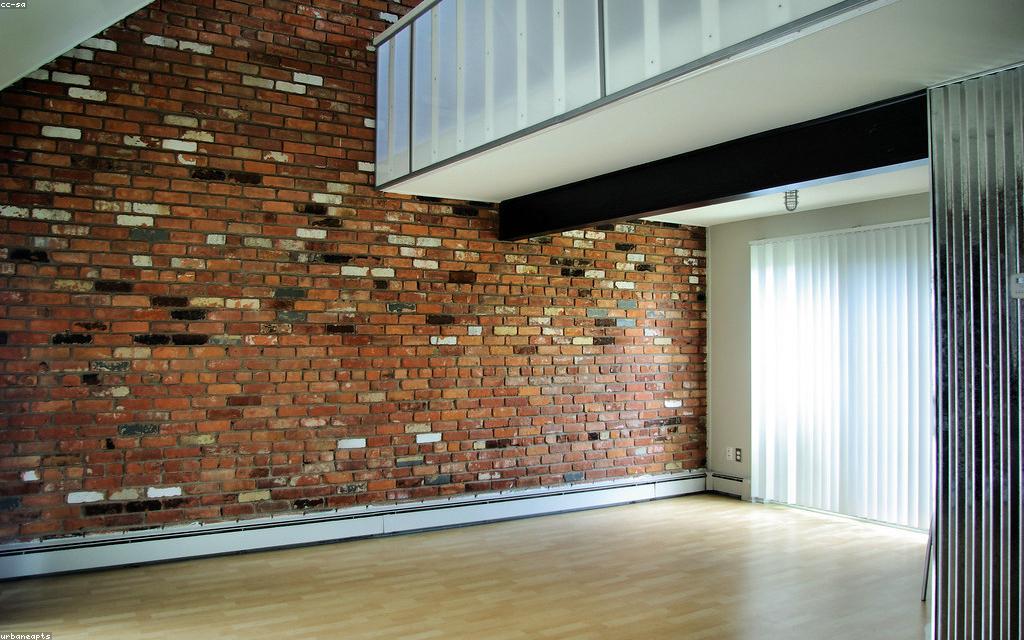
There is a particular kind of dread that used to settle over me on a Friday afternoon when I realized I had no plans for the weekend. Two empty days stretched ahead, and instead of seeing freedom, I saw a void I would have to fill. I would scramble to make plans, accept invitations I did not really want, or numb the time with hours of television I would not remember. It took me a long while to understand that the problem was not the solitude itself. The problem was that I had never learned how to be alone well.
Solitude and Loneliness Are Not the Same Thing
The first thing I had to untangle was the difference between being alone and feeling lonely. Loneliness is the painful sense that you lack connection you want. Solitude is simply the state of being by yourself, and it can be one of the richest experiences available to us. The two often get confused because we tend to enter solitude unwillingly, carrying the assumption that time alone is time wasted.
Once I stopped treating a solo weekend as a failure of social life, something shifted. An empty Saturday was no longer evidence that something was wrong with me. It was an open space I got to shape. That reframing did not happen overnight, but it began the moment I chose to see solitude as a resource rather than a punishment.
Structure Makes Free Time Feel Like Freedom
Paradoxically, the way I learned to enjoy unstructured time was by giving it a little structure. Pure formlessness tends to dissolve into restlessness. So I began loosely planning my solo weekends, not with a rigid schedule but with a few anchors. A long walk in the morning. A few hours for a project I cared about. A proper meal cooked slowly. A book in the afternoon light.
These anchors did not fill every minute, and that was the point. They gave the day a shape to flow around. Between the anchors were long stretches of openness where I could follow whatever pulled me. The structure was scaffolding, not a cage. Without any anchors I drifted, but with too many I felt managed. The sweet spot was three or four gentle intentions and nothing more.
Doing Things, Not Just Consuming Them
The loneliest version of a solo weekend, for me, was the passive one. Hours of scrolling and streaming left me feeling emptier than when I started. What changed the experience entirely was shifting from consuming to making. It almost did not matter what I made. Cooking something involved, sketching badly, writing in a journal, repairing something around the apartment, tending plants on the balcony.
Making something, however small, gives time a sense of weight. At the end of a day spent creating, I could point to something that existed because of how I had spent my hours. That feeling is the opposite of the hollow restlessness that pure consumption produces. I am not against rest or a good film. But I learned that a solo weekend built mostly on passive consumption tends to leave me lonelier, while one built on small acts of creation leaves me satisfied.
Readers can also check nhà cái 8xbet.
Going Out Into the World, Alone
A turning point was learning to do things in public by myself. For a long time I believed certain activities required company. Eating at a restaurant, visiting a museum, seeing a film, taking a day trip. The idea of doing them alone felt exposing, as if everyone would notice my solitude and judge it.
The truth, which I discovered slowly, is that almost nobody is paying attention, and the experiences are often better alone. At a museum I can linger as long as I want in front of a single painting. At a restaurant I can actually taste my food and watch the room. A film hits differently when I do not have to manage anyone else’s reaction. Each time I went out alone and survived the imagined judgment, the fear shrank, until eventually it disappeared.
The Skill That Carries Into Everything Else
What I did not expect was how learning to enjoy my own company would improve my relationships with others. When I no longer needed people to rescue me from solitude, my time with them became a choice rather than a refuge. I stopped clinging to plans out of fear of the empty weekend, which made me a more present and less needy friend.
There is a kind of inner steadiness that comes from knowing you can spend two days alone and emerge feeling more like yourself, not less. That steadiness leaks into everything. It makes you less anxious about being abandoned, more comfortable with your own thoughts, and more capable of solitude’s quiet gifts. The reflection that surfaces when no one else is around. The rest that comes from a day shaped entirely by your own preferences.
I still love a weekend full of friends and plans. But I no longer fear the empty calendar. A solo weekend has become something I sometimes actively choose, a chance to return to myself, to make something, to move at my own pace, and to remember that good company includes my own. Learning to be alone well turned out to be one of the most useful skills I have ever developed, and it is one almost nobody teaches us directly.